Olive wood (Olea europaea) with stainless steel and epoxy inlays.
24 lbs. 27” x 22” x 3”
Disadvantaged takes its form from the earliest environment of development, where life is sustained not by structure alone, but by continuous management, circulation, and protection. The reclaimed olive wood suggests an organic vessel - maternal in form. Blue epoxy fills the interior as a metaphor for amniotic fluid: a medium that cushions, nourishes, and sustains developing life while allowing movement and growth.
Within this fluid field rest two steel spheres representing embryos. Yet the two spheres are not equal. One is larger, fuller, more visibly advantaged; the other is smaller, quieter, more precarious. Their shared material identifies them as kin, but their unequal scale introduces imbalance at the point of origin itself. The sculpture turns on this disparity: shared origin does not guarantee fairness, and proximity does not produce equality.
In this way, Disadvantaged reflects on birth not as a neutral or universally hopeful beginning, but as a site where injustice can already be present. The vessel protects both forms, yet it cannot erase the inequality already embedded within them. The smaller sphere becomes a figure of vulnerability—not failure, and not weakness by choice, but a life beginning behind. By locating this imbalance inside a womb-like form, the sculpture resists sentimental ideas of beginnings as inherently just. Instead, it suggests a more difficult truth: that struggle may begin before experience itself, and that unfairness can be written into life from the very start.
Olive wood (Olea europaea) with stainless steel and epoxy inlays.
24 lbs. 27” x 22” x 3”
Disadvantaged takes its form from the earliest environment of development, where life is sustained not by structure alone, but by continuous management, circulation, and protection. The reclaimed olive wood suggests an organic vessel - maternal in form. Blue epoxy fills the interior as a metaphor for amniotic fluid: a medium that cushions, nourishes, and sustains developing life while allowing movement and growth.
Within this fluid field rest two steel spheres representing embryos. Yet the two spheres are not equal. One is larger, fuller, more visibly advantaged; the other is smaller, quieter, more precarious. Their shared material identifies them as kin, but their unequal scale introduces imbalance at the point of origin itself. The sculpture turns on this disparity: shared origin does not guarantee fairness, and proximity does not produce equality.
In this way, Disadvantaged reflects on birth not as a neutral or universally hopeful beginning, but as a site where injustice can already be present. The vessel protects both forms, yet it cannot erase the inequality already embedded within them. The smaller sphere becomes a figure of vulnerability—not failure, and not weakness by choice, but a life beginning behind. By locating this imbalance inside a womb-like form, the sculpture resists sentimental ideas of beginnings as inherently just. Instead, it suggests a more difficult truth: that struggle may begin before experience itself, and that unfairness can be written into life from the very start.

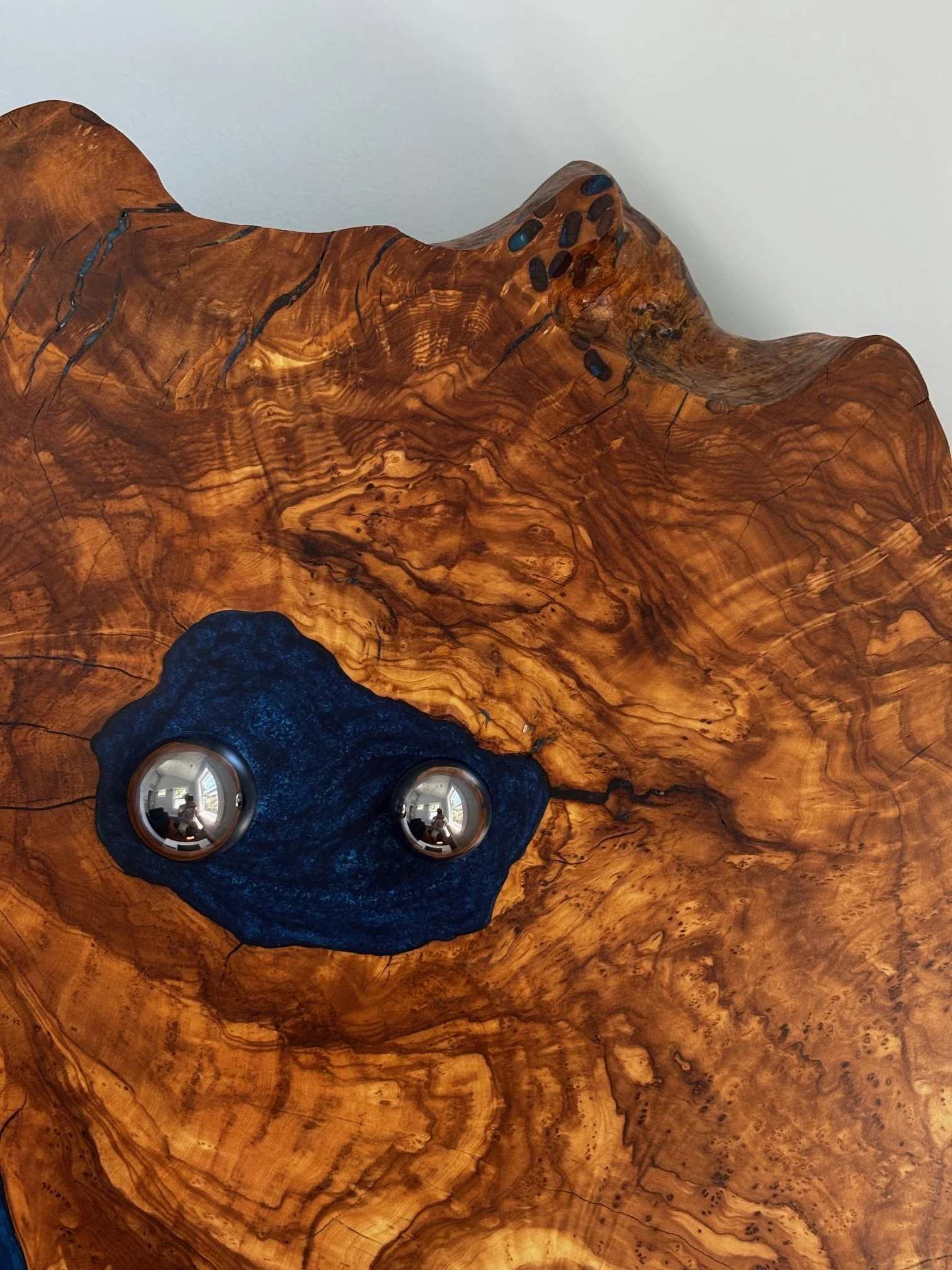 Image 1 of 8
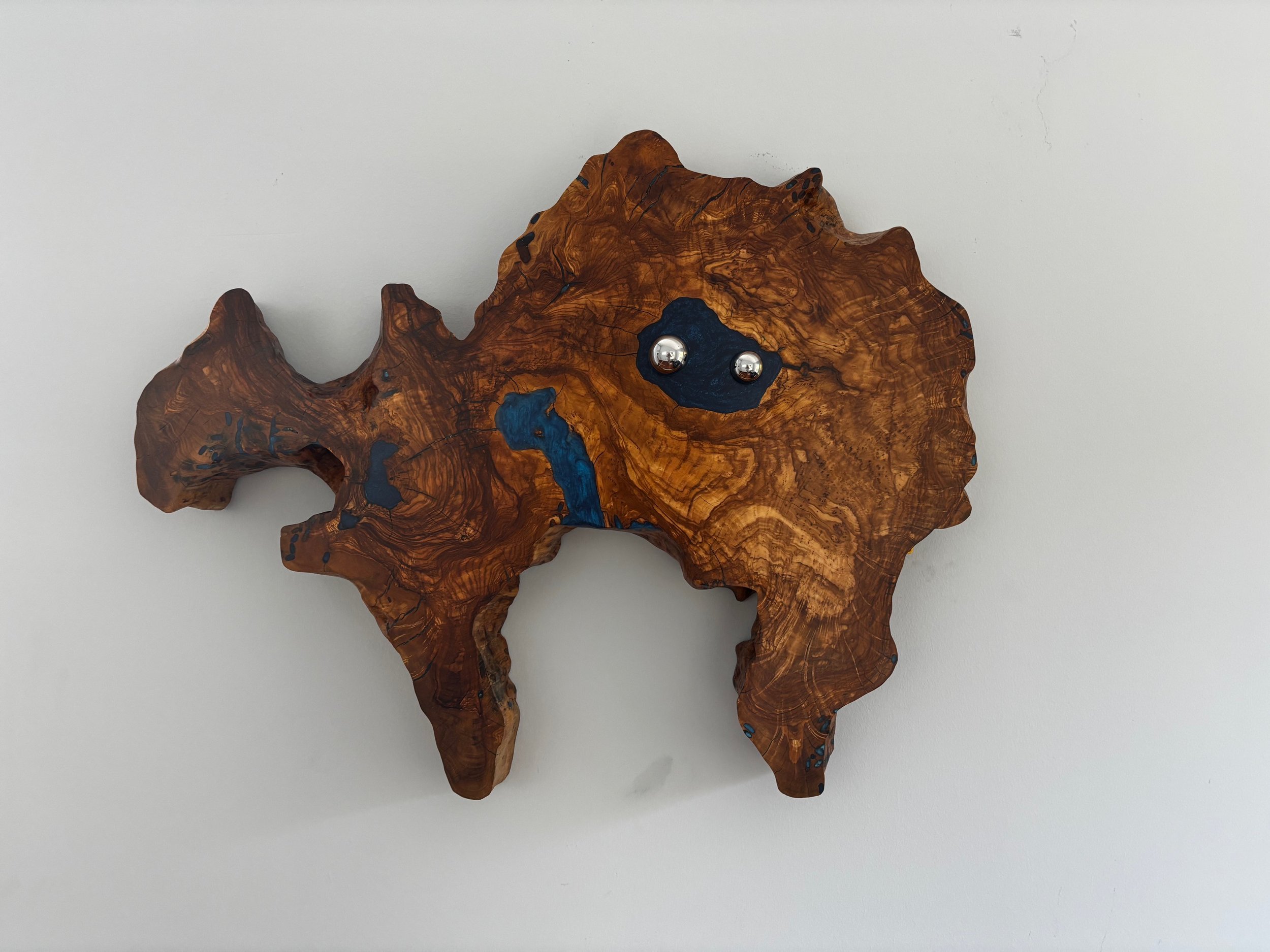 Image 2 of 8
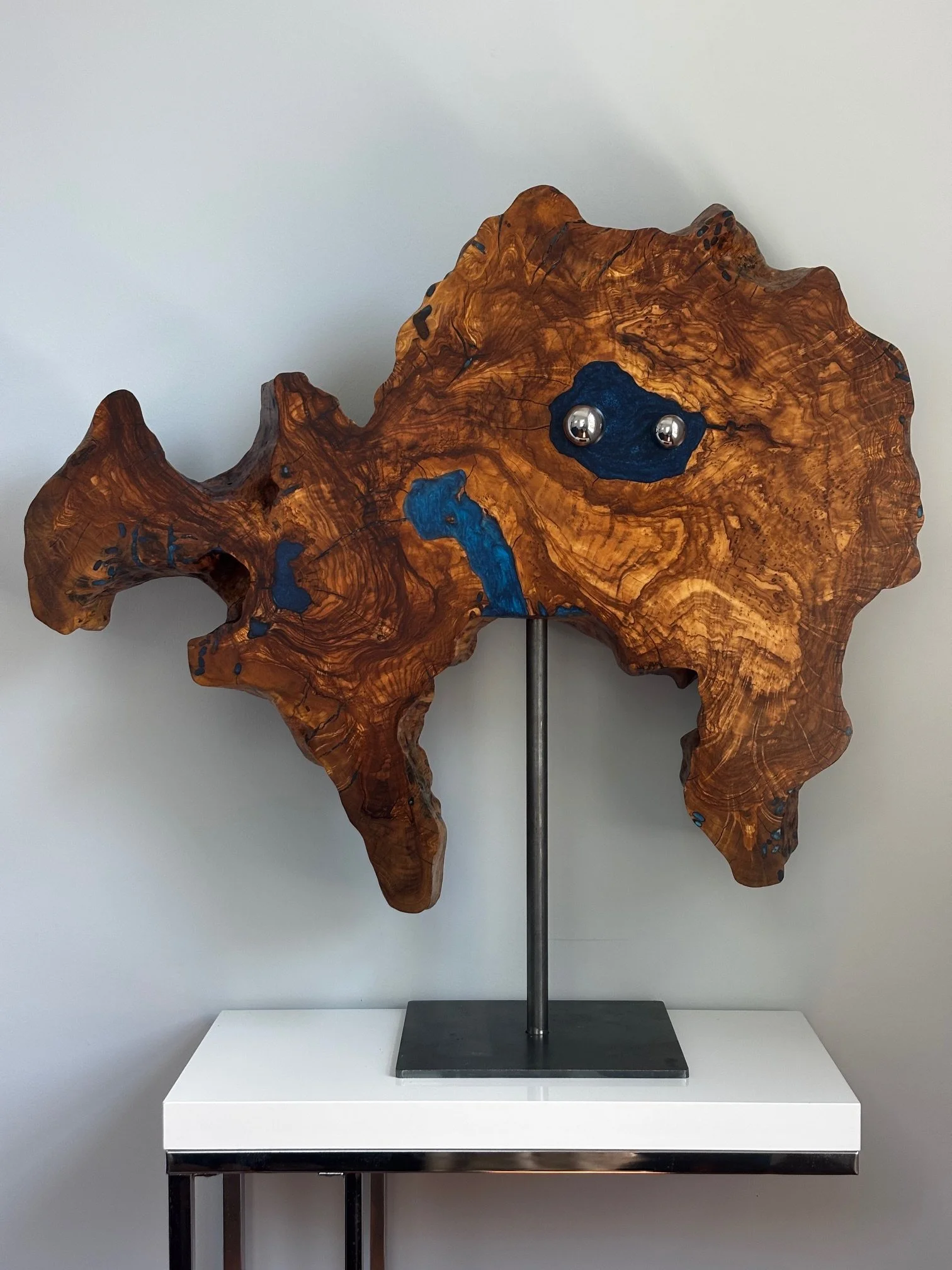 Image 3 of 8
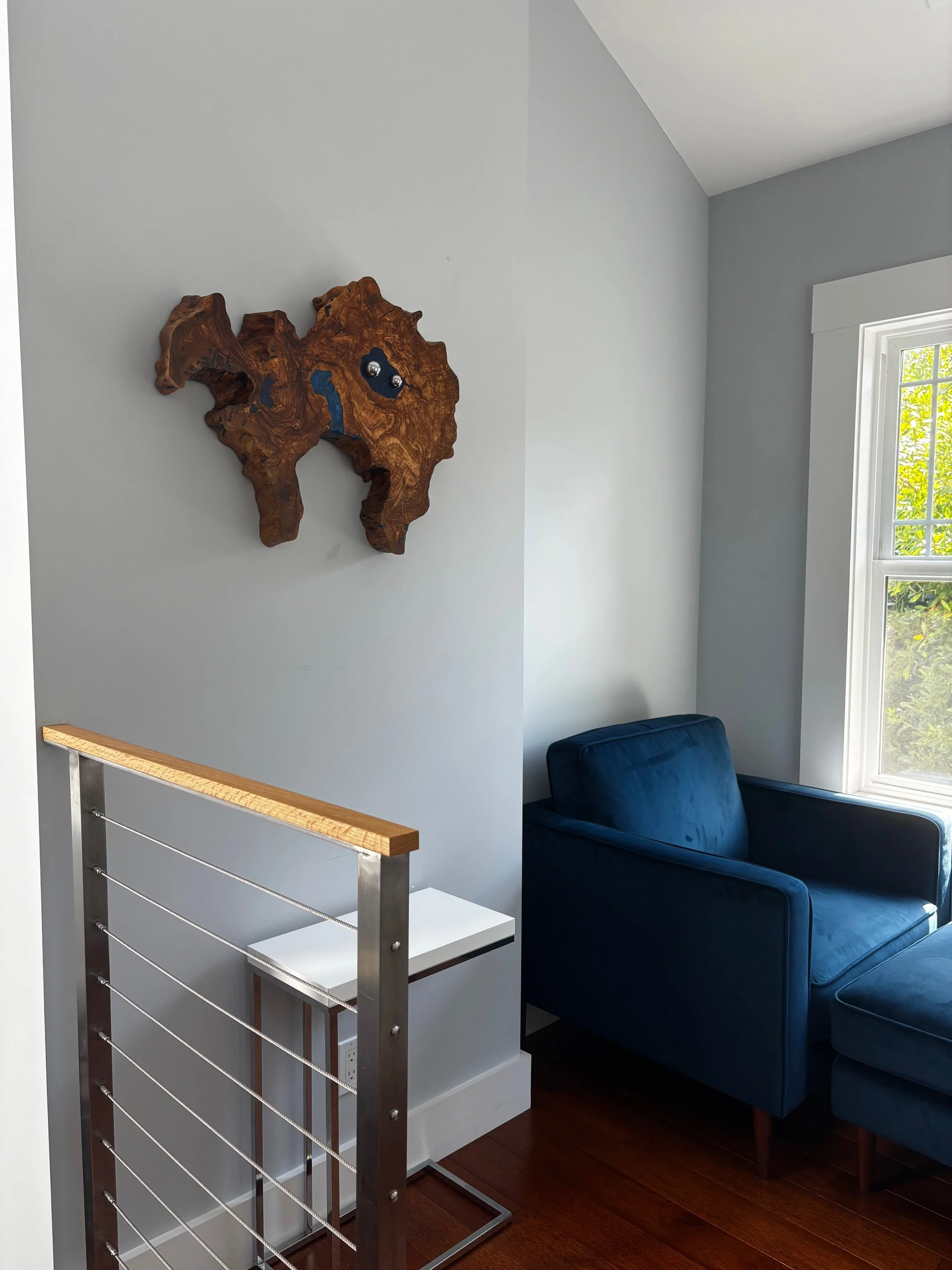 Image 4 of 8
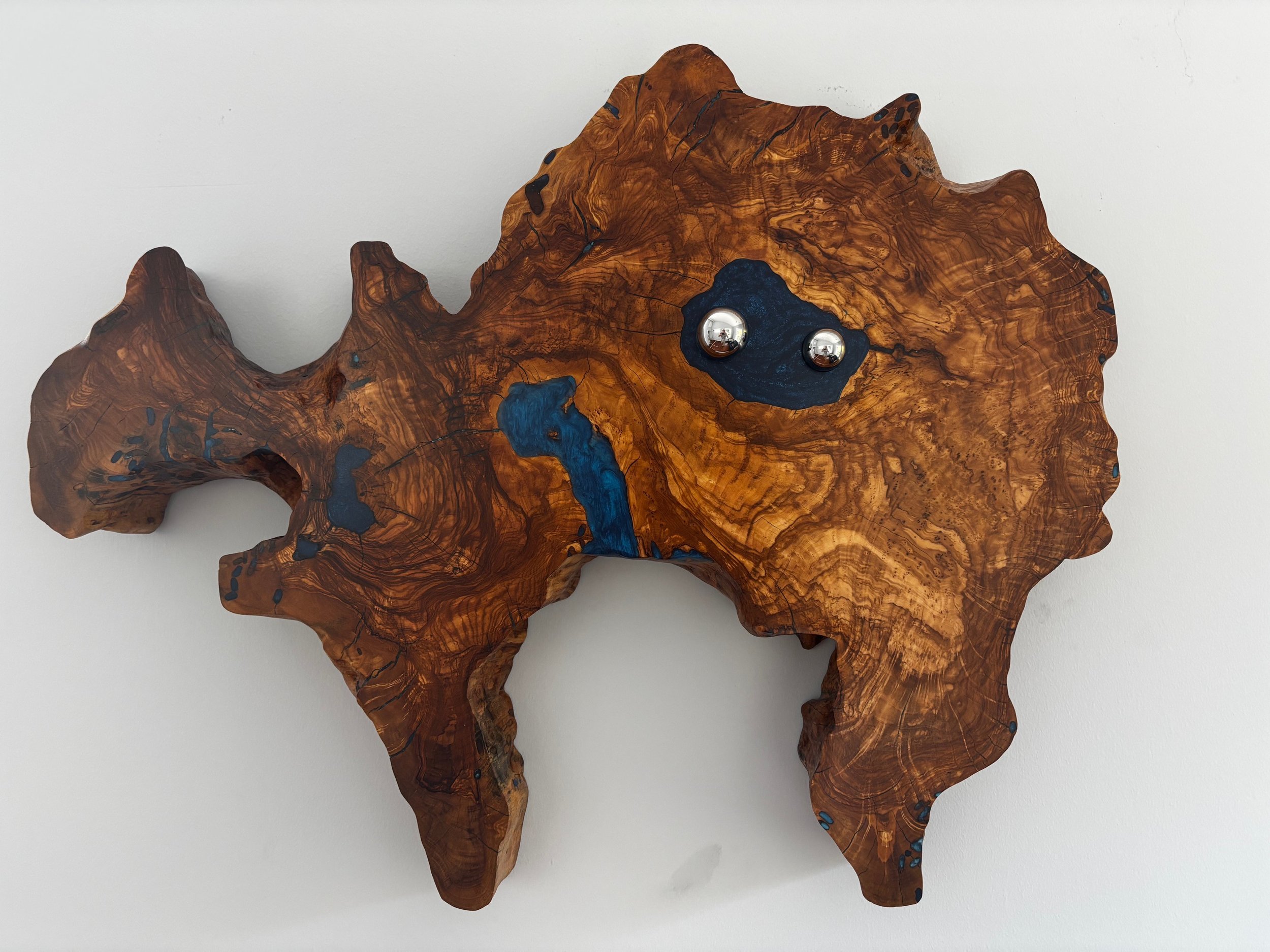 Image 5 of 8
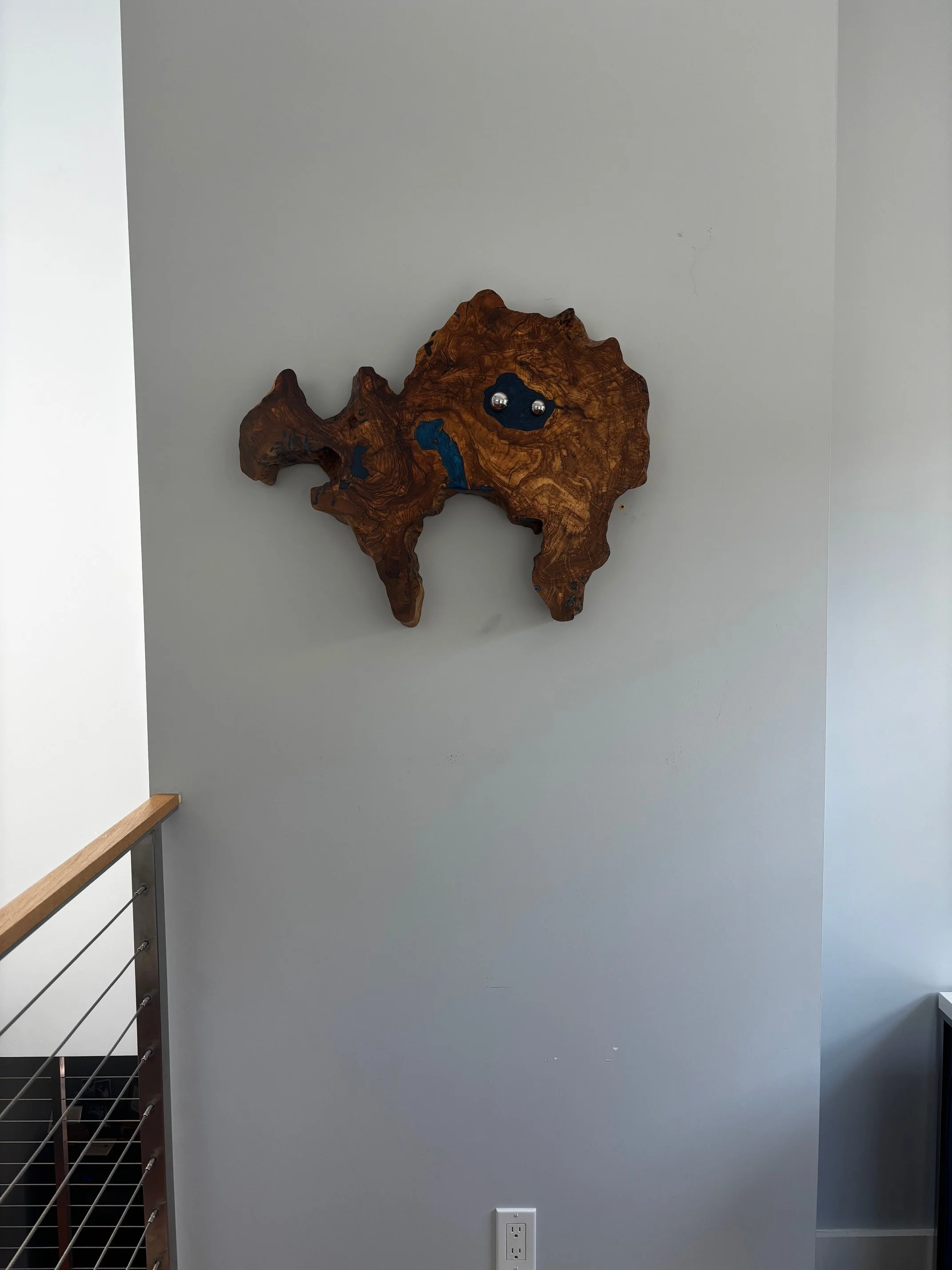 Image 6 of 8
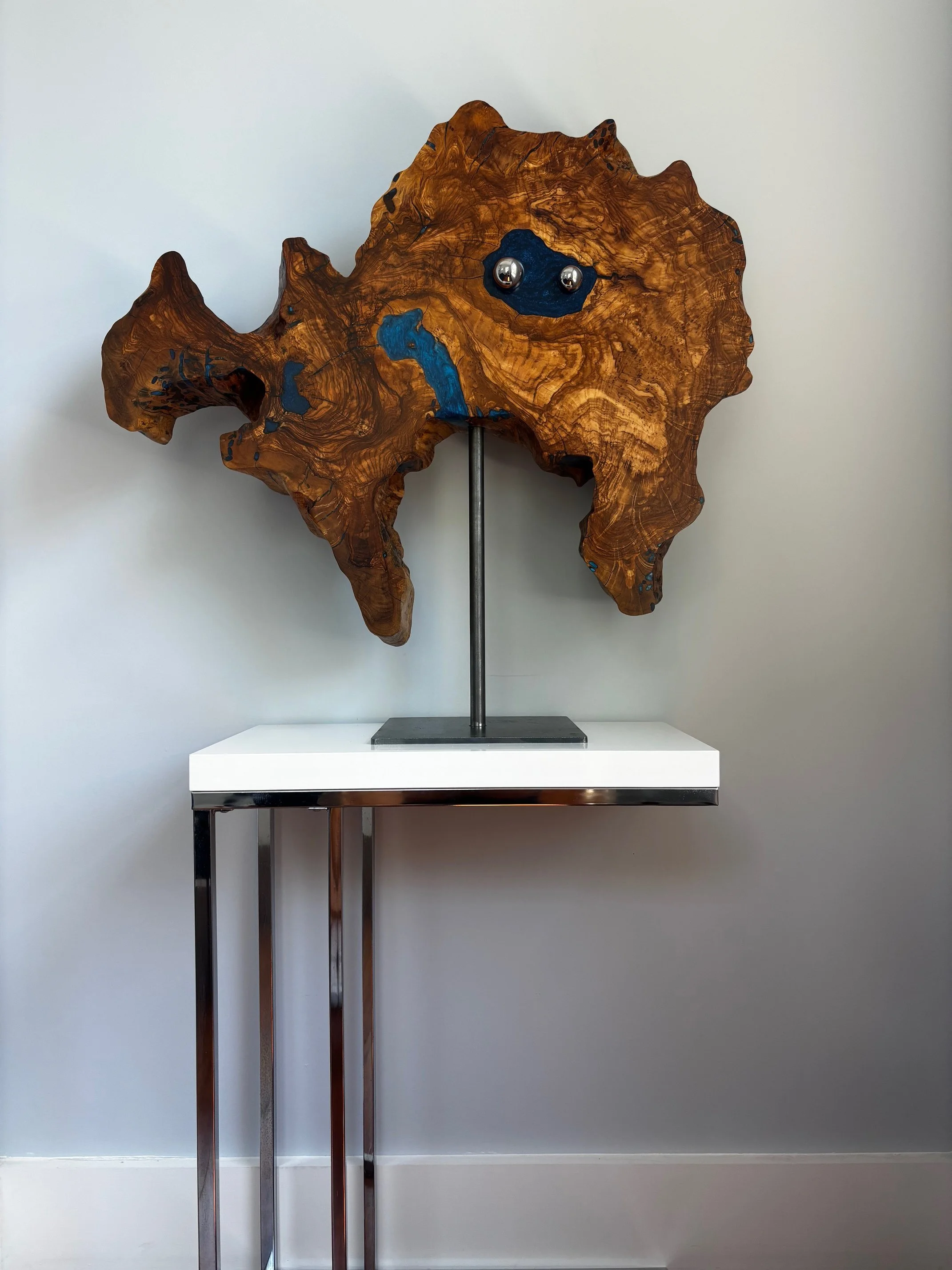 Image 7 of 8
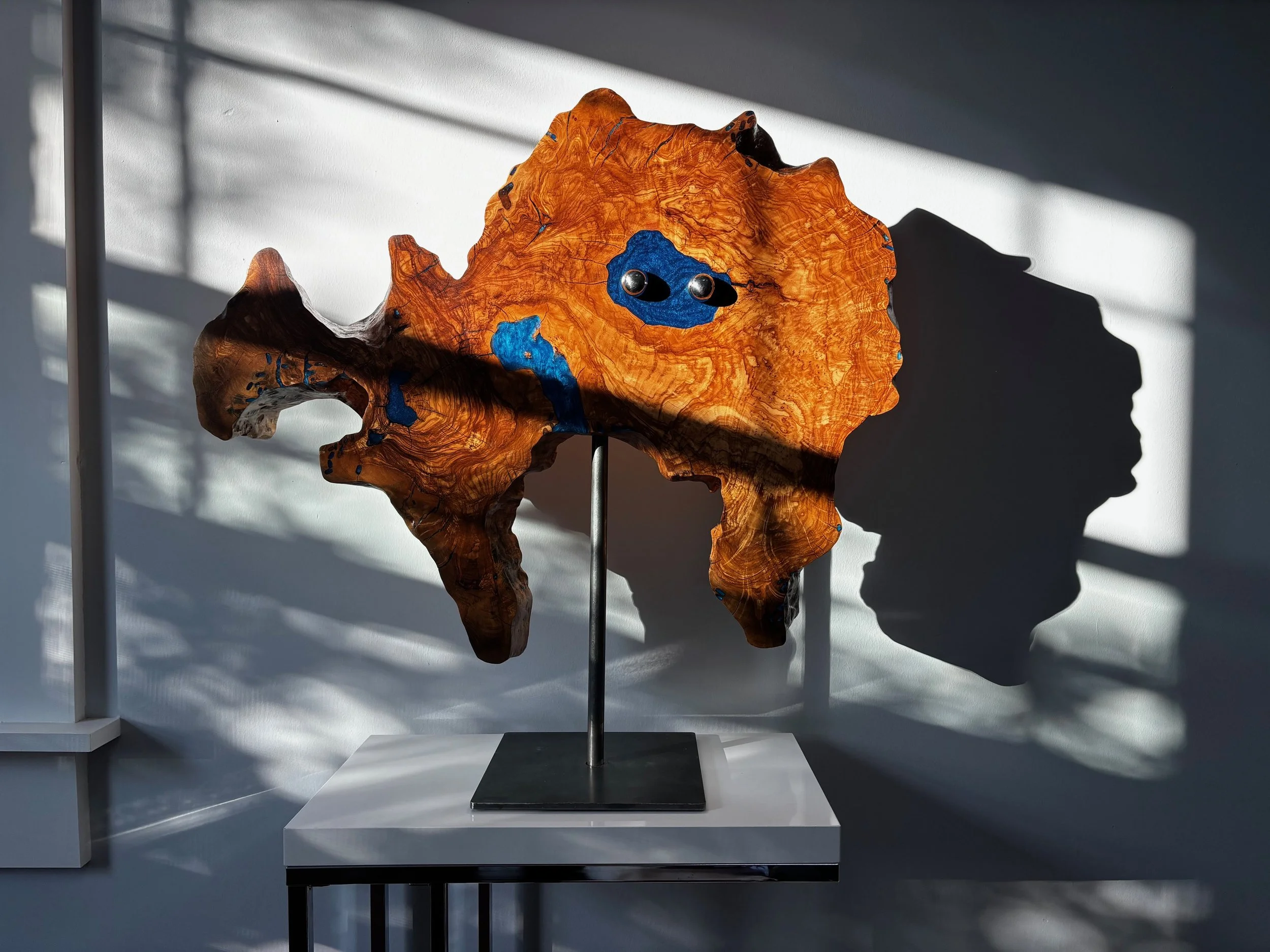 Image 8 of 8