Organic Resistance I (CURRENTLY EVOLVING)

$0.00

Olive wood (Olea europaea) with stainless steel and epoxy inlays.

14 lbs. 25” × 18” × 3”

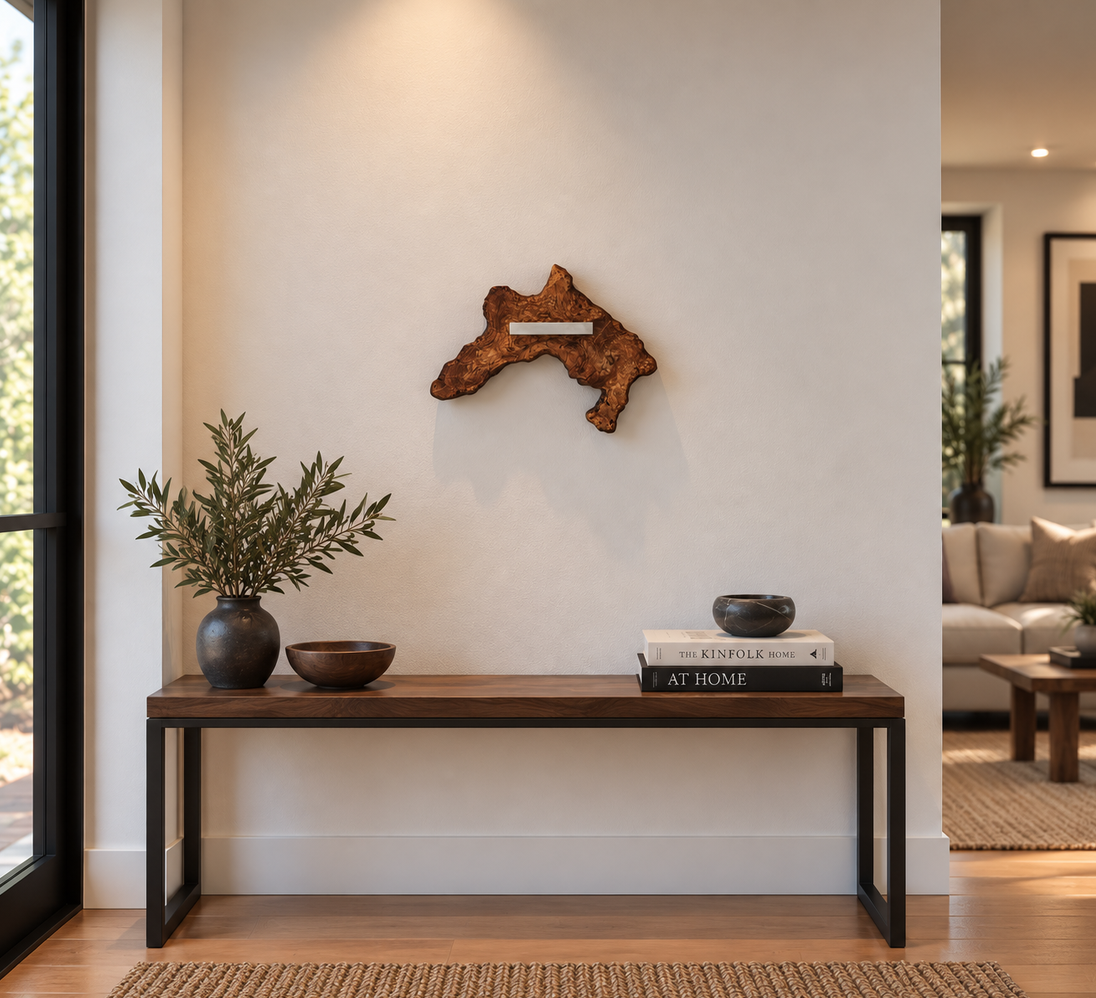
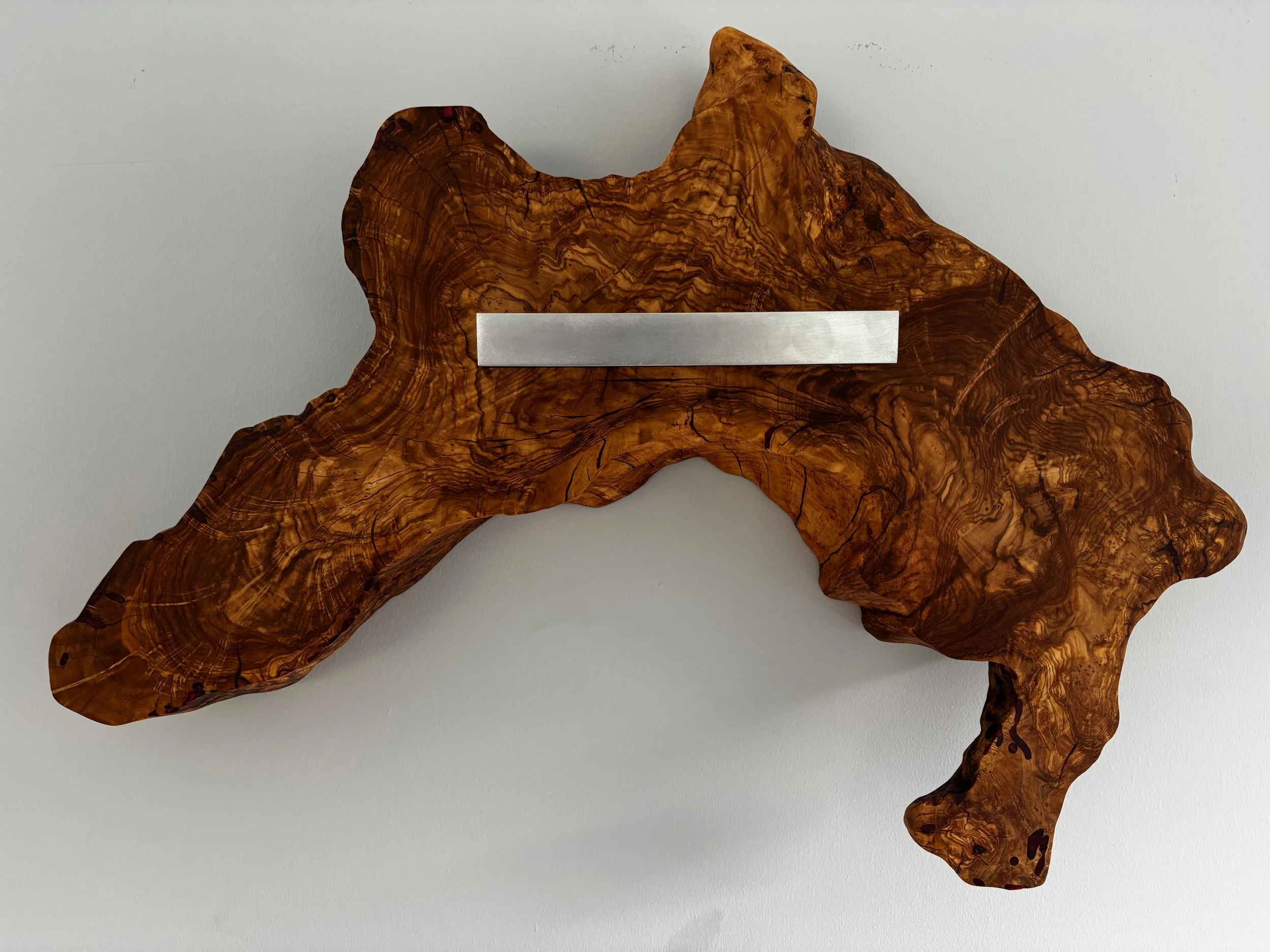
An organically bent span of olive wood is corrupted by the intrusion of a machined steel block. The steel represents the ignorance of tyranny: rigid, indifferent, cruel, and certain of its right to enter, occupy, and define the living structure around it. It does not negotiate with the wood’s grain; it attempts to override it.

The wood answers with refusal. Its fibers compress, shift, and continue around the imposed geometry. This persistence reflects the quieter mechanics of democratic survival: institutions that hold through strain, individuals who refuse complicity, and communities that resist the demand to align themselves with power simply because it insists.

Organic Resistance I rejects the myth that authority is stable simply because it is strong. Steel may be harder than wood, but hardness is not the same as legitimacy. Systems of control depend on compliance; the moment the living structure refuses to align, their certainty begins to fracture.

Organic Resistance I proposes that authority weakened by its own corruption ultimately depends on the consent of the living. When that consent falters, even rigid structures begin to lose their hold.

Olive wood (Olea europaea) with stainless steel and epoxy inlays.

14 lbs. 25” × 18” × 3”

An organically bent span of olive wood is corrupted by the intrusion of a machined steel block. The steel represents the ignorance of tyranny: rigid, indifferent, cruel, and certain of its right to enter, occupy, and define the living structure around it. It does not negotiate with the wood’s grain; it attempts to override it.

The wood answers with refusal. Its fibers compress, shift, and continue around the imposed geometry. This persistence reflects the quieter mechanics of democratic survival: institutions that hold through strain, individuals who refuse complicity, and communities that resist the demand to align themselves with power simply because it insists.

Organic Resistance I rejects the myth that authority is stable simply because it is strong. Steel may be harder than wood, but hardness is not the same as legitimacy. Systems of control depend on compliance; the moment the living structure refuses to align, their certainty begins to fracture.

Organic Resistance I proposes that authority weakened by its own corruption ultimately depends on the consent of the living. When that consent falters, even rigid structures begin to lose their hold.