
 Image 1 of 3
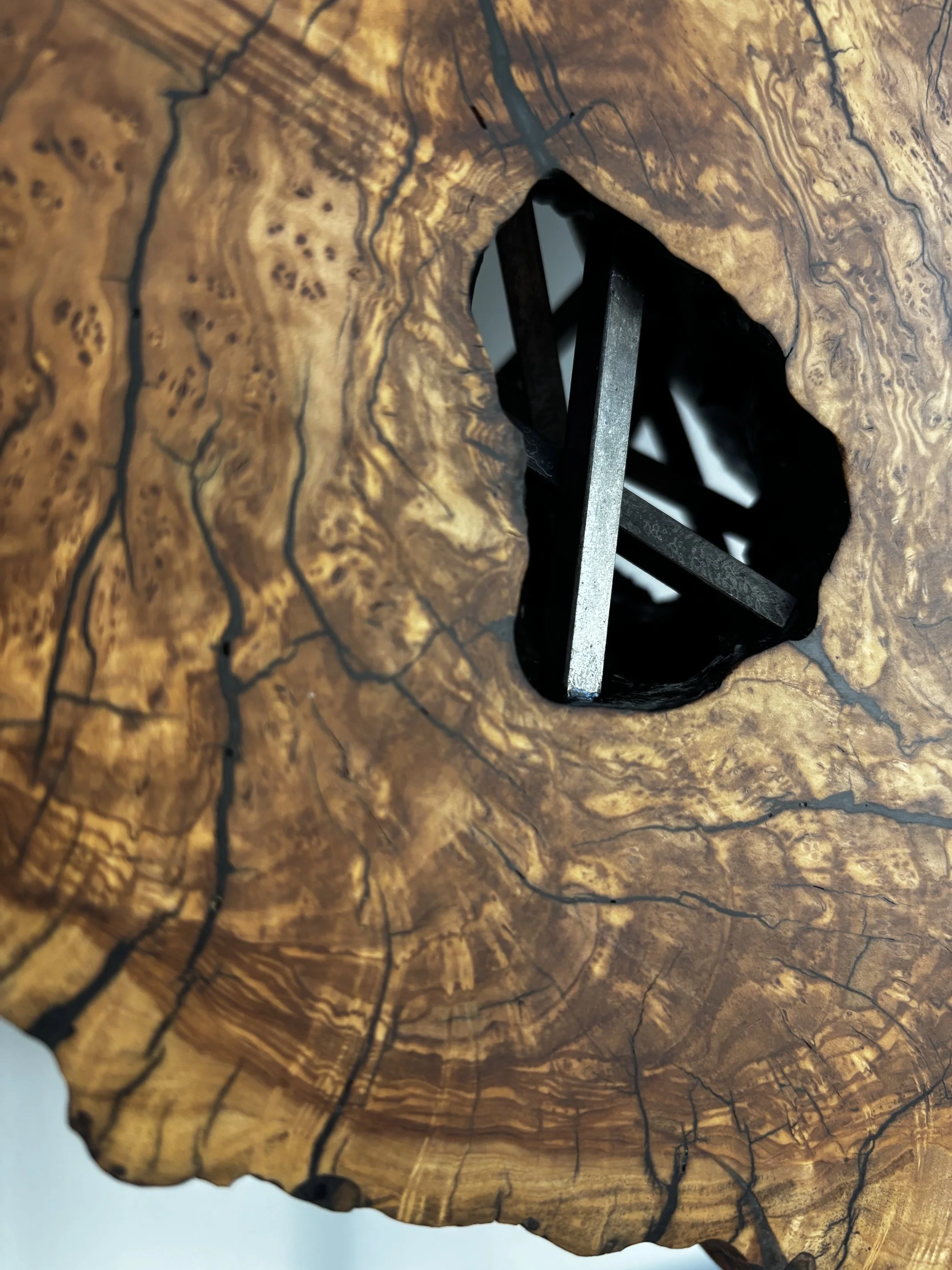 Image 2 of 3
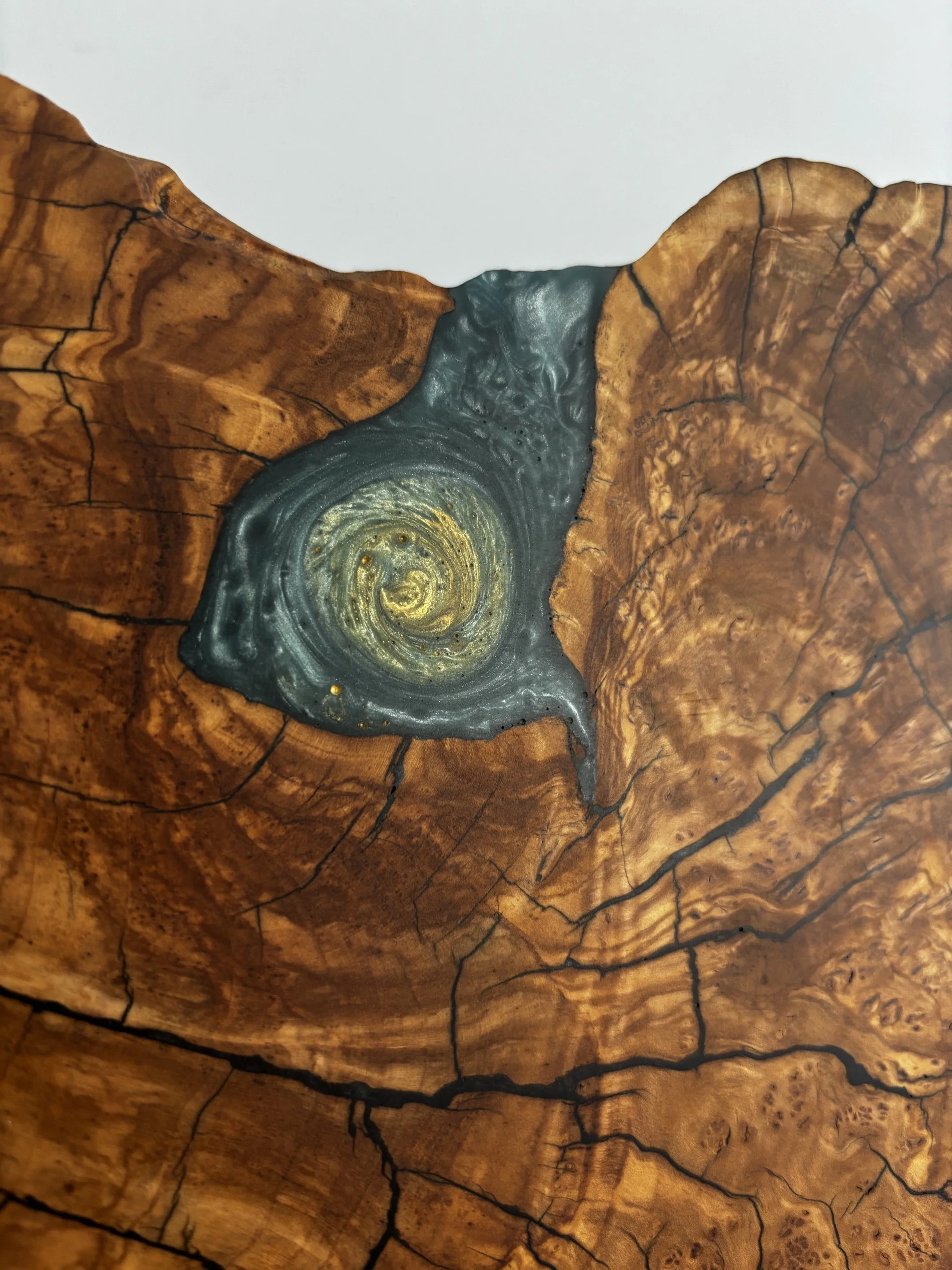 Image 3 of 3
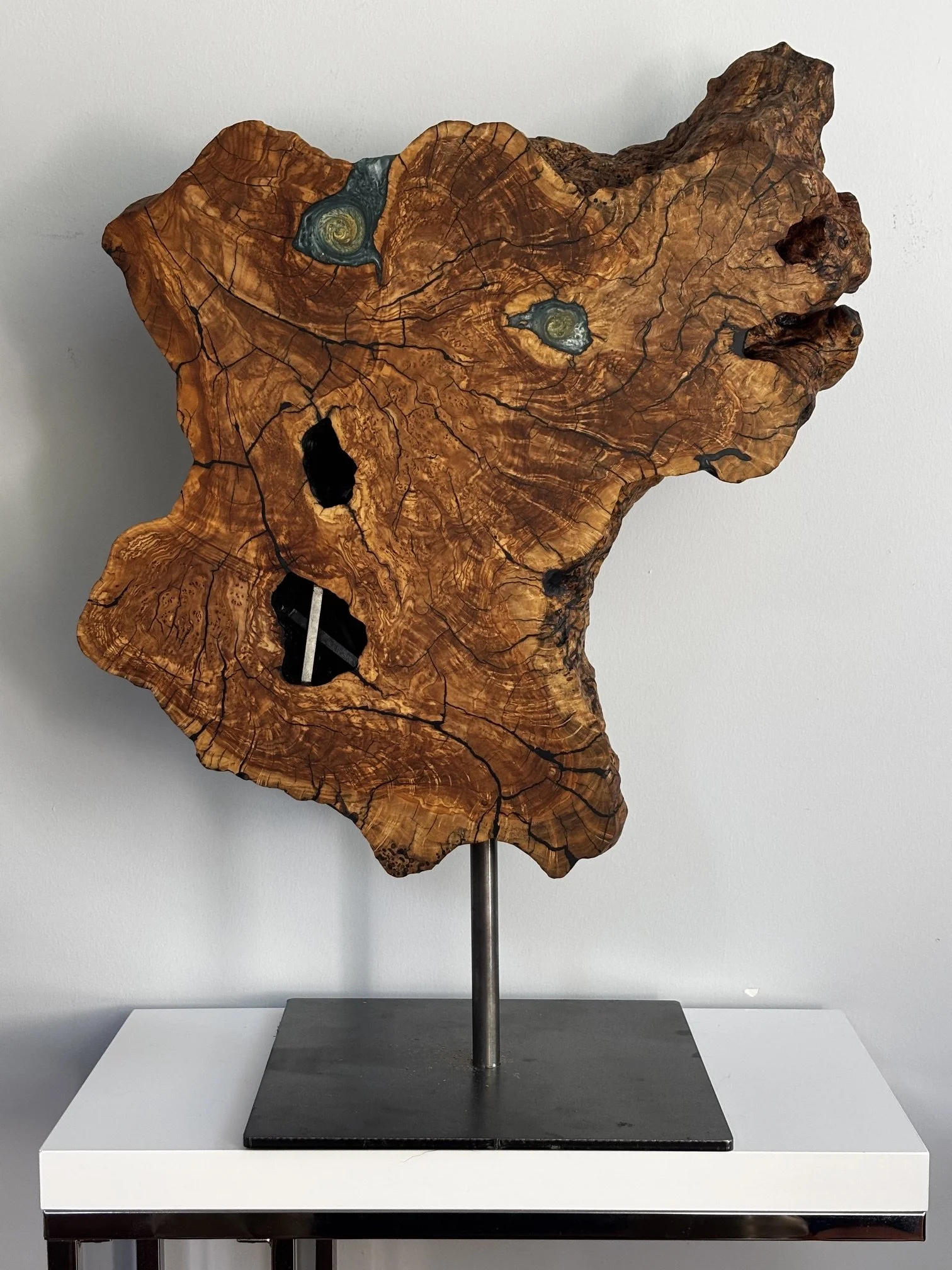
Relic of Fear emerges from the natural architecture of olive wood: fractured grain, dark voids, and an irregular perimeter. Its openings read as hollow eyes and an open mouth, giving the work the unsettling presence of a figure caught in a cry that predates language. The horror here is not theatrical or sudden. It feels older than the viewer, older than memory — a fear embedded in material itself. The sculpture evokes the atmosphere of H. P. Lovecraft, where dread arises not from what is clearly seen, but from the sense that ordinary reality has briefly opened onto something vast, buried, and unknowable.
Olive wood, already associated with endurance and ancient cultivation, becomes almost archaeological: a remnant carrying evidence of something endured but never fully explained. Its face-like form appears less like a portrait than an artifact — a witness from some earlier condition of fear, when terror was instinct rather than story.
Relic of Fear emerges from the natural architecture of olive wood: fractured grain, dark voids, and an irregular perimeter. Its openings read as hollow eyes and an open mouth, giving the work the unsettling presence of a figure caught in a cry that predates language. The horror here is not theatrical or sudden. It feels older than the viewer, older than memory — a fear embedded in material itself. The sculpture evokes the atmosphere of H. P. Lovecraft, where dread arises not from what is clearly seen, but from the sense that ordinary reality has briefly opened onto something vast, buried, and unknowable.
Olive wood, already associated with endurance and ancient cultivation, becomes almost archaeological: a remnant carrying evidence of something endured but never fully explained. Its face-like form appears less like a portrait than an artifact — a witness from some earlier condition of fear, when terror was instinct rather than story.