
 Image 1 of 3
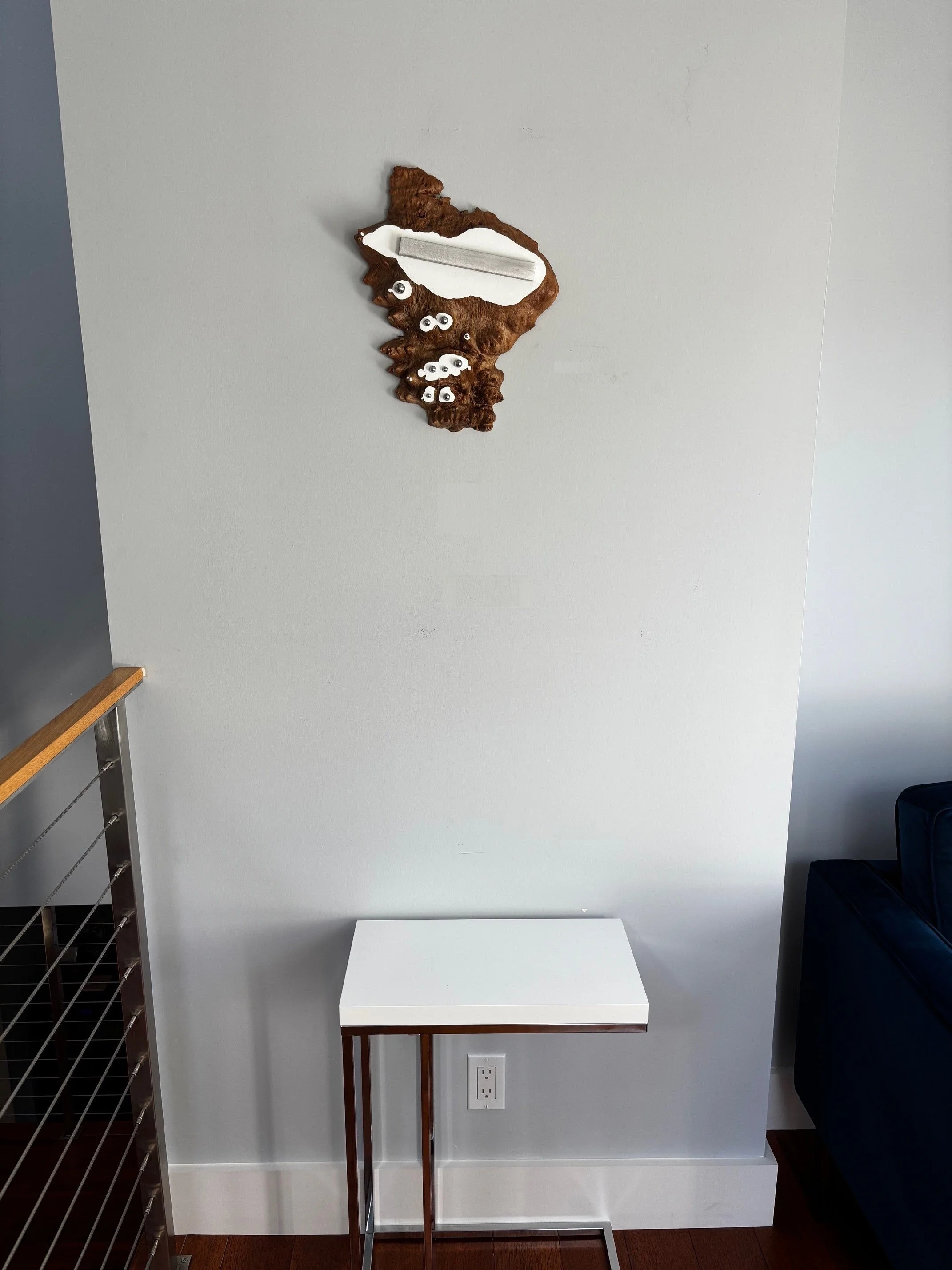 Image 2 of 3
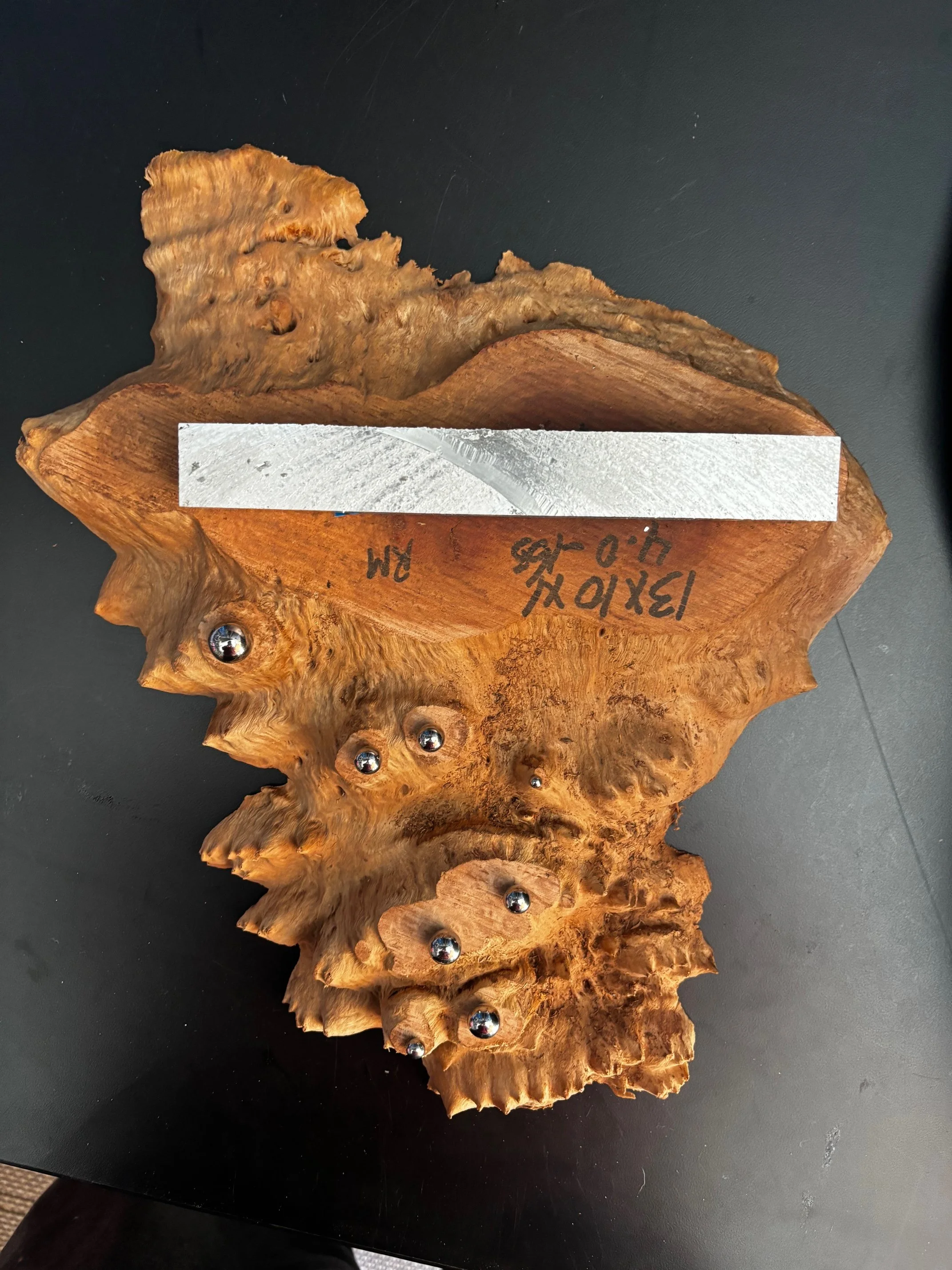 Image 3 of 3
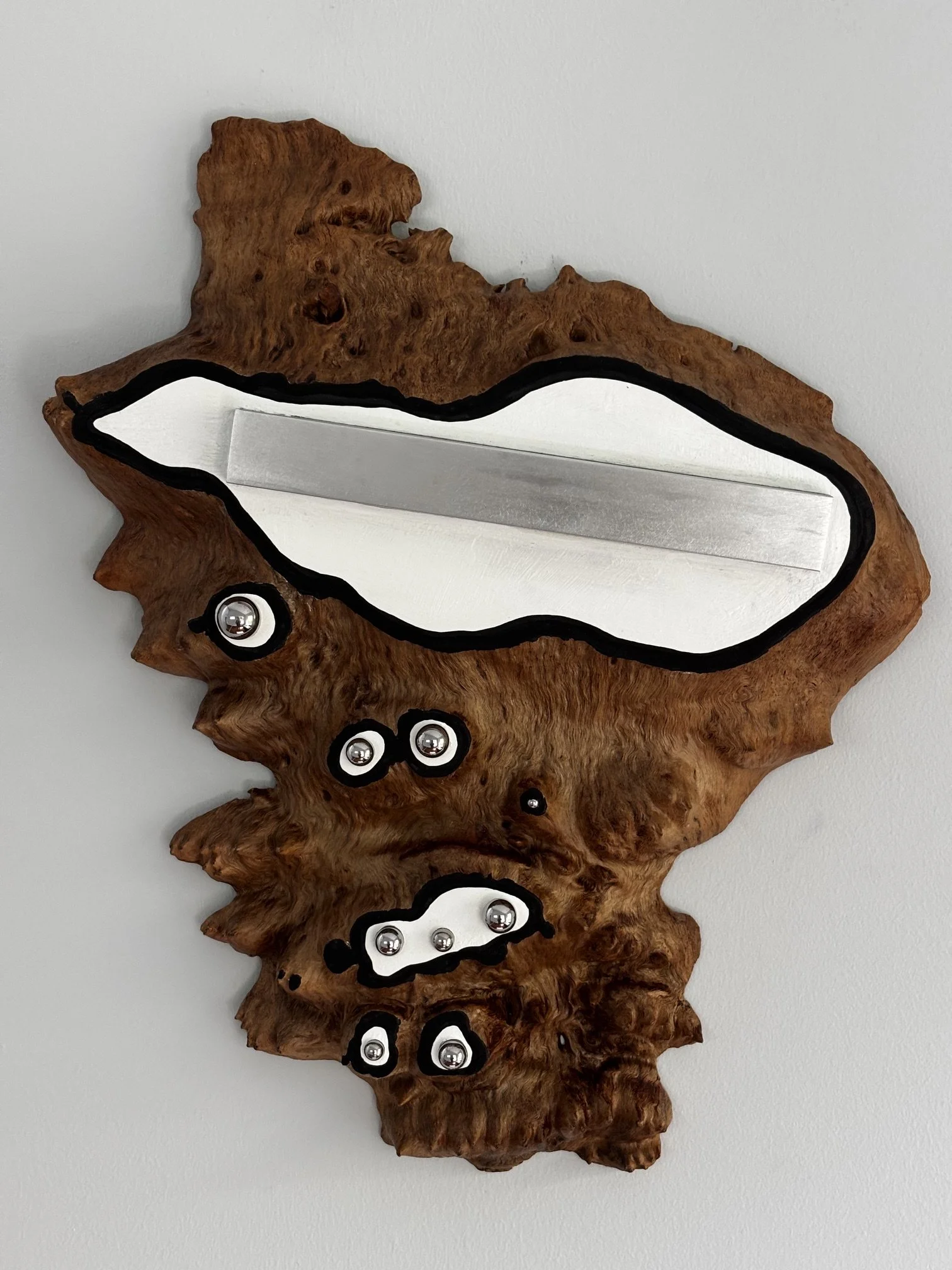
Reclaimed eucalyptus burl with aluminum and steel inlays.
5 lbs. 15’” x 12” x 2”
Redacted adopts the form of a thought — a shape universally associated with private language, dissent, and the fundamental right to think and speak freely. It is a symbol of expression before it becomes public, before it can be challenged, debated, or suppressed. Here, that space is deliberately erased. The work draws a direct parallel to the erosion of free expression under systems of power that seek to control narrative by limiting speech. Attempts to suppress dissenting voices — through pressure on media, retaliation against critics, and the normalization of misinformation — expose how fragile the architecture of free speech can become when authority operates without constraint. Redacted positions censorship not as a temporary act, but as a structure that, once embedded, reshapes the boundaries of what can be said, and eventually, what can be thought.
Reclaimed eucalyptus burl with aluminum and steel inlays.
5 lbs. 15’” x 12” x 2”
Redacted adopts the form of a thought — a shape universally associated with private language, dissent, and the fundamental right to think and speak freely. It is a symbol of expression before it becomes public, before it can be challenged, debated, or suppressed. Here, that space is deliberately erased. The work draws a direct parallel to the erosion of free expression under systems of power that seek to control narrative by limiting speech. Attempts to suppress dissenting voices — through pressure on media, retaliation against critics, and the normalization of misinformation — expose how fragile the architecture of free speech can become when authority operates without constraint. Redacted positions censorship not as a temporary act, but as a structure that, once embedded, reshapes the boundaries of what can be said, and eventually, what can be thought.