Monolith No. 1: Shelter
Claro Walnut with aluminum inlays.
2026
10 lbs. 27” x 7” x 2”
Monolith No. 1: Shelter juxtaposes organic unpredictability with geometric order. Rather than depicting damage or restoration, Monolith No. 1: Shelter asks how order is established in the presence of irreversible change. The sculpture suggests that stability is not the absence of fracture, but the ongoing act of adapting to it.
Monolith No. 1: Shelter
Claro Walnut with aluminum inlays.
2026
10 lbs. 27” x 7” x 2”
Monolith No. 1: Shelter juxtaposes organic unpredictability with geometric order. Rather than depicting damage or restoration, Monolith No. 1: Shelter asks how order is established in the presence of irreversible change. The sculpture suggests that stability is not the absence of fracture, but the ongoing act of adapting to it.
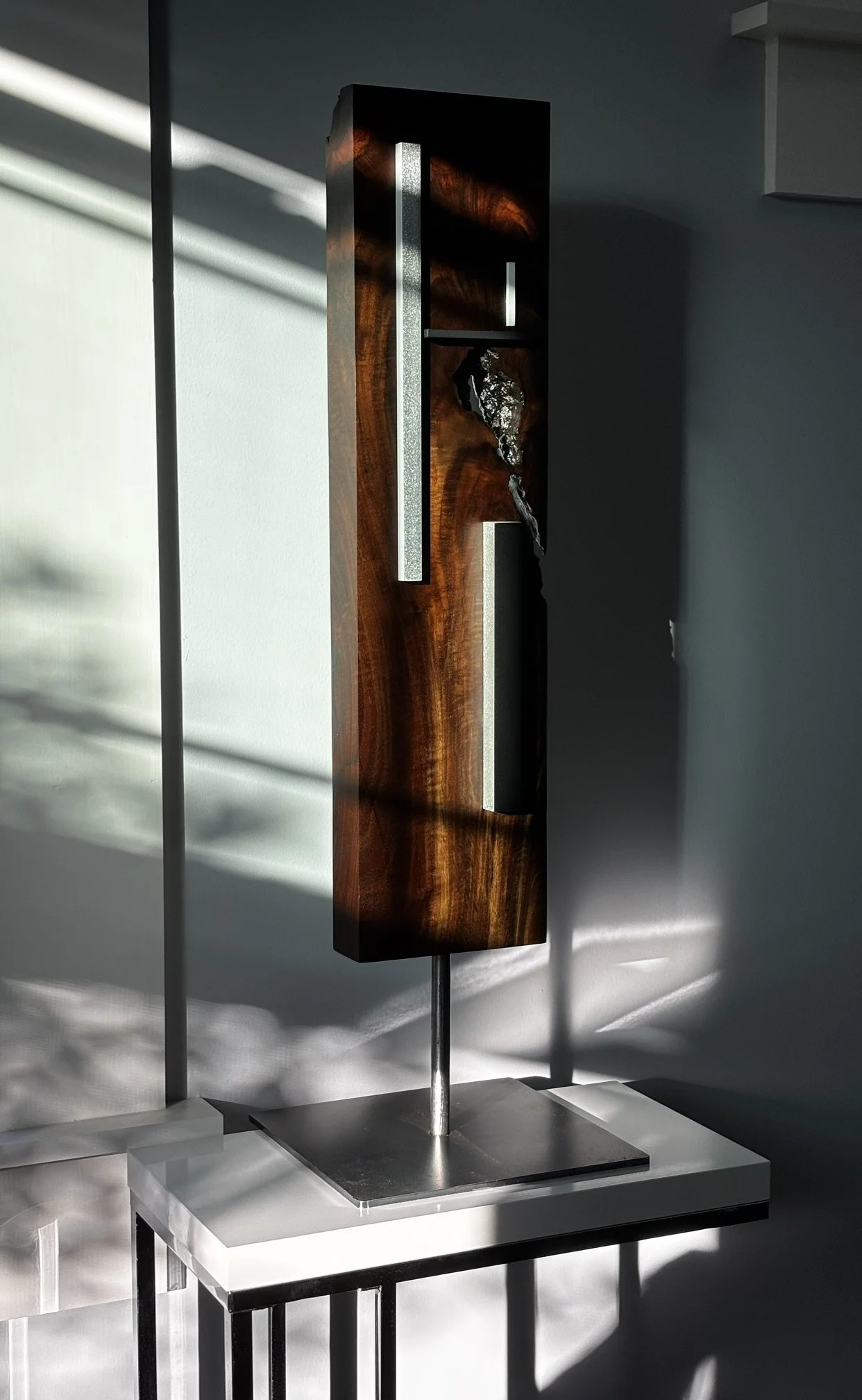 Image 1 of 6
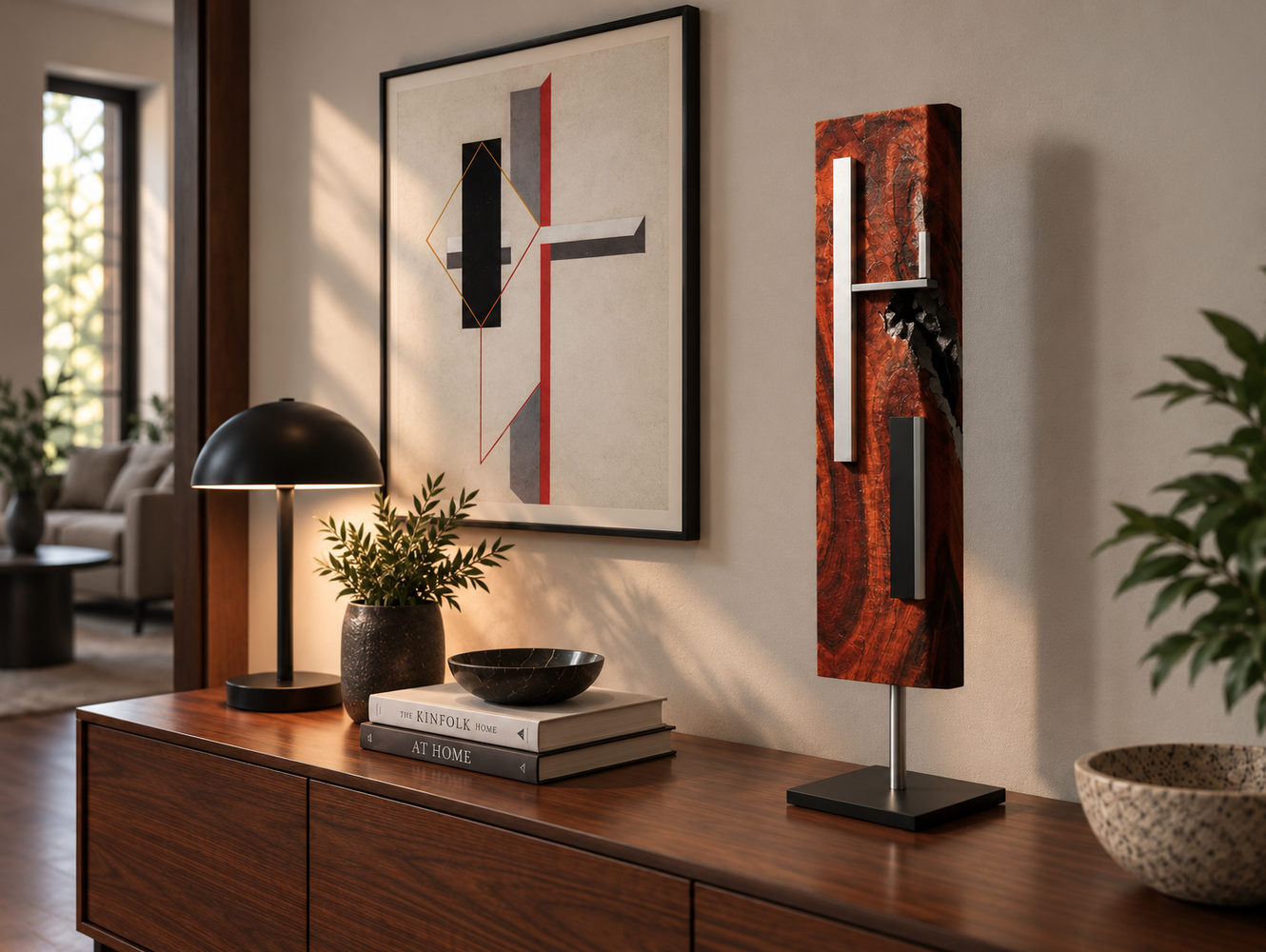 Image 2 of 6
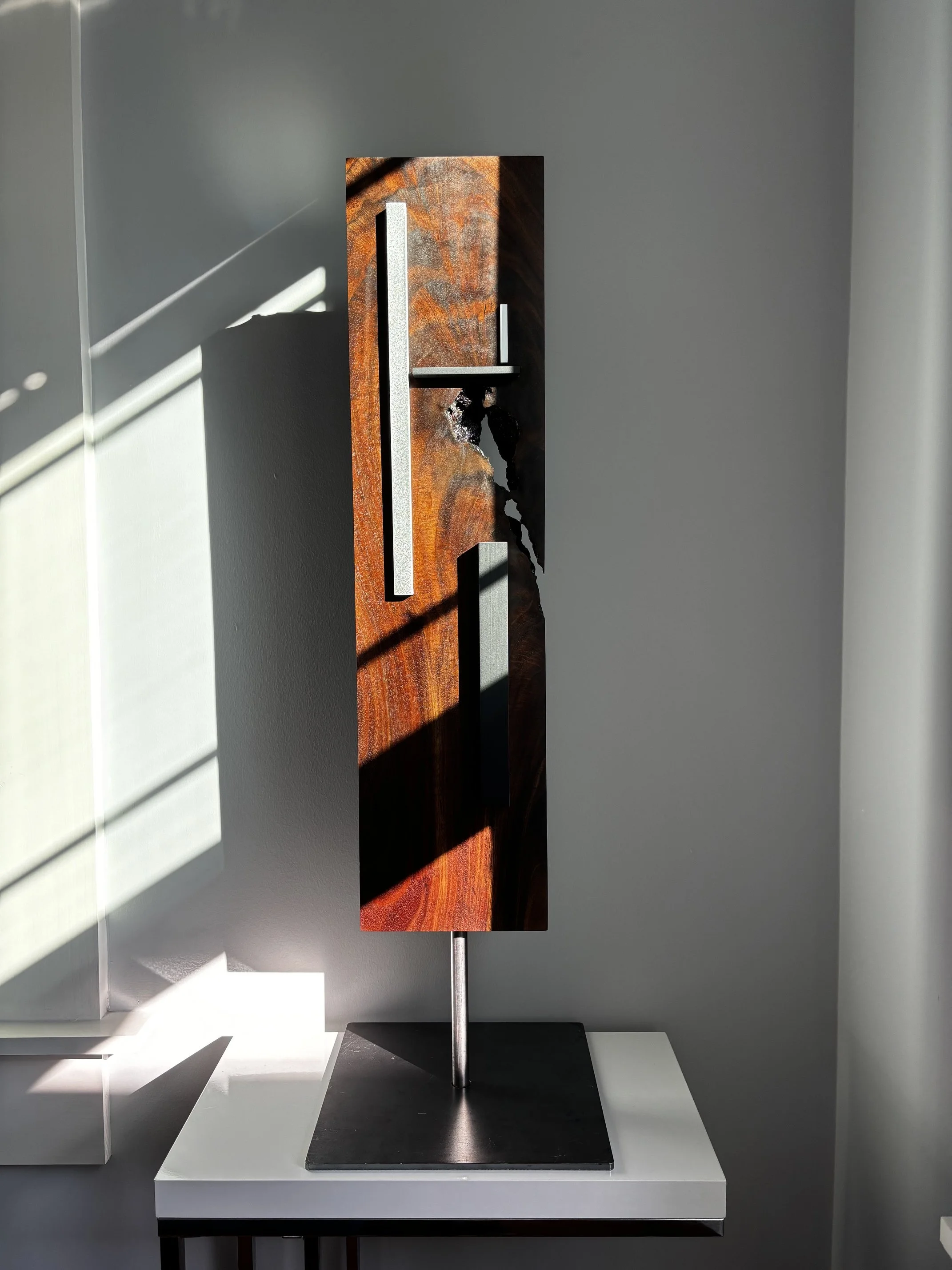 Image 3 of 6
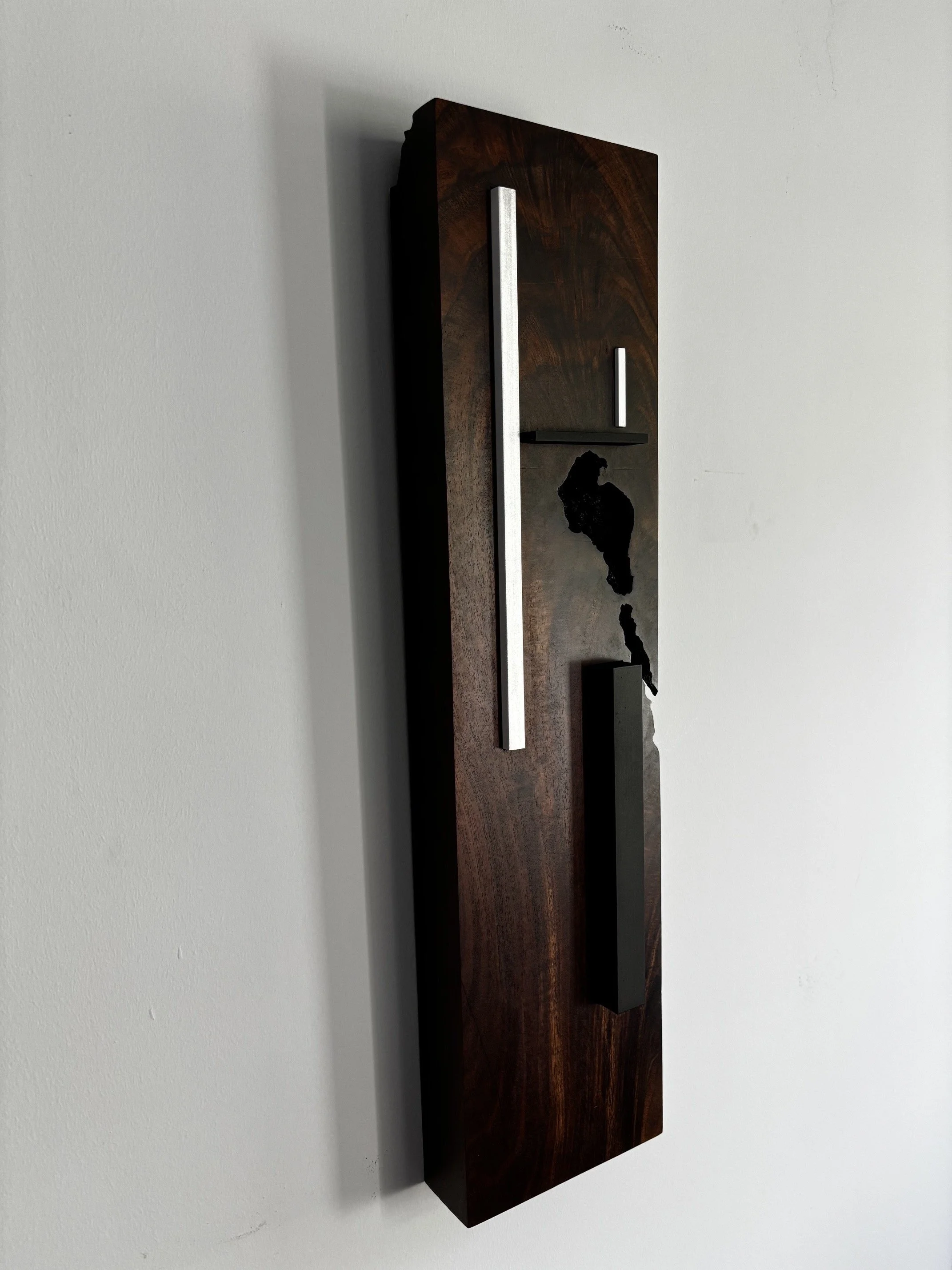 Image 4 of 6
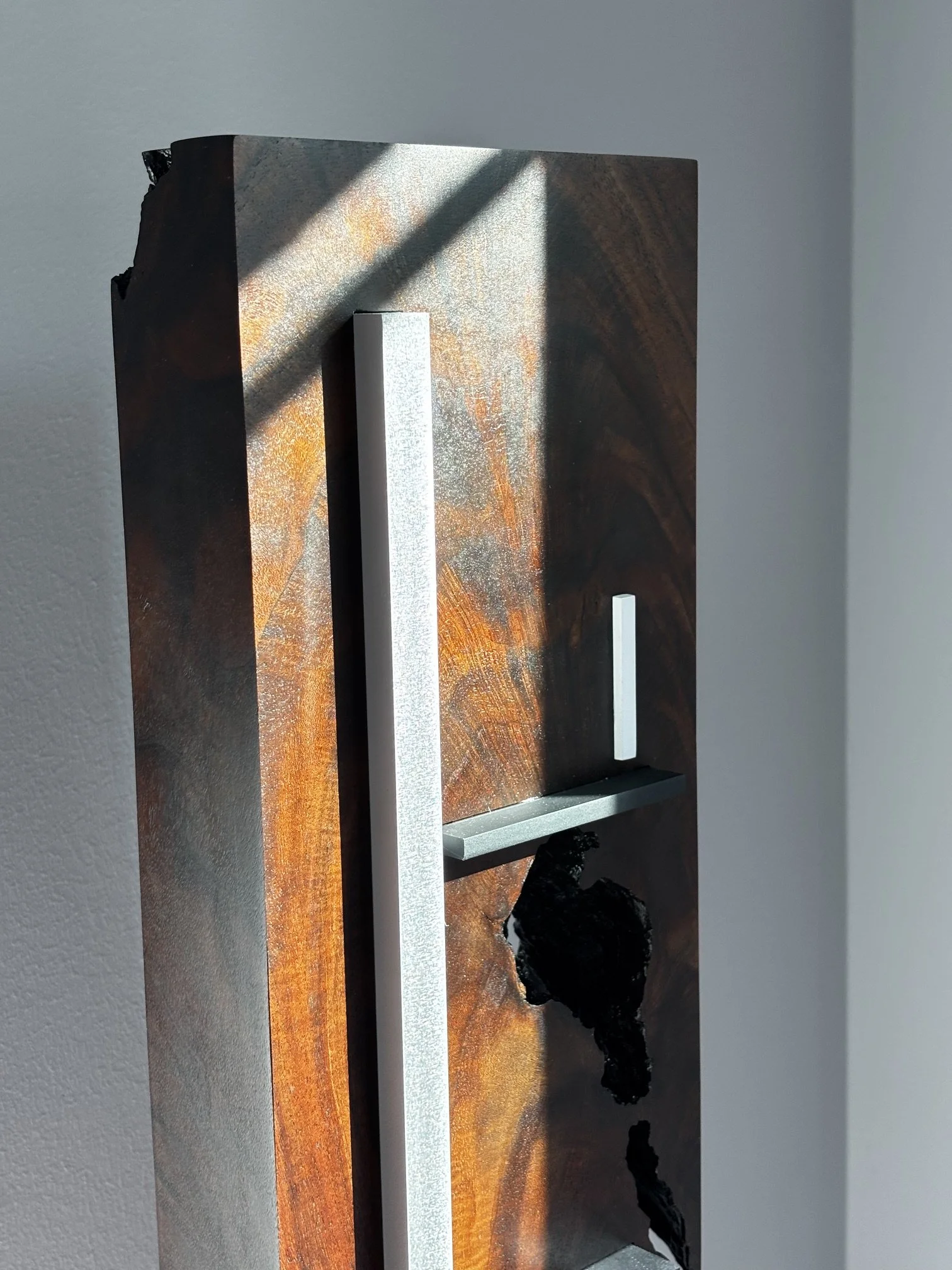 Image 5 of 6
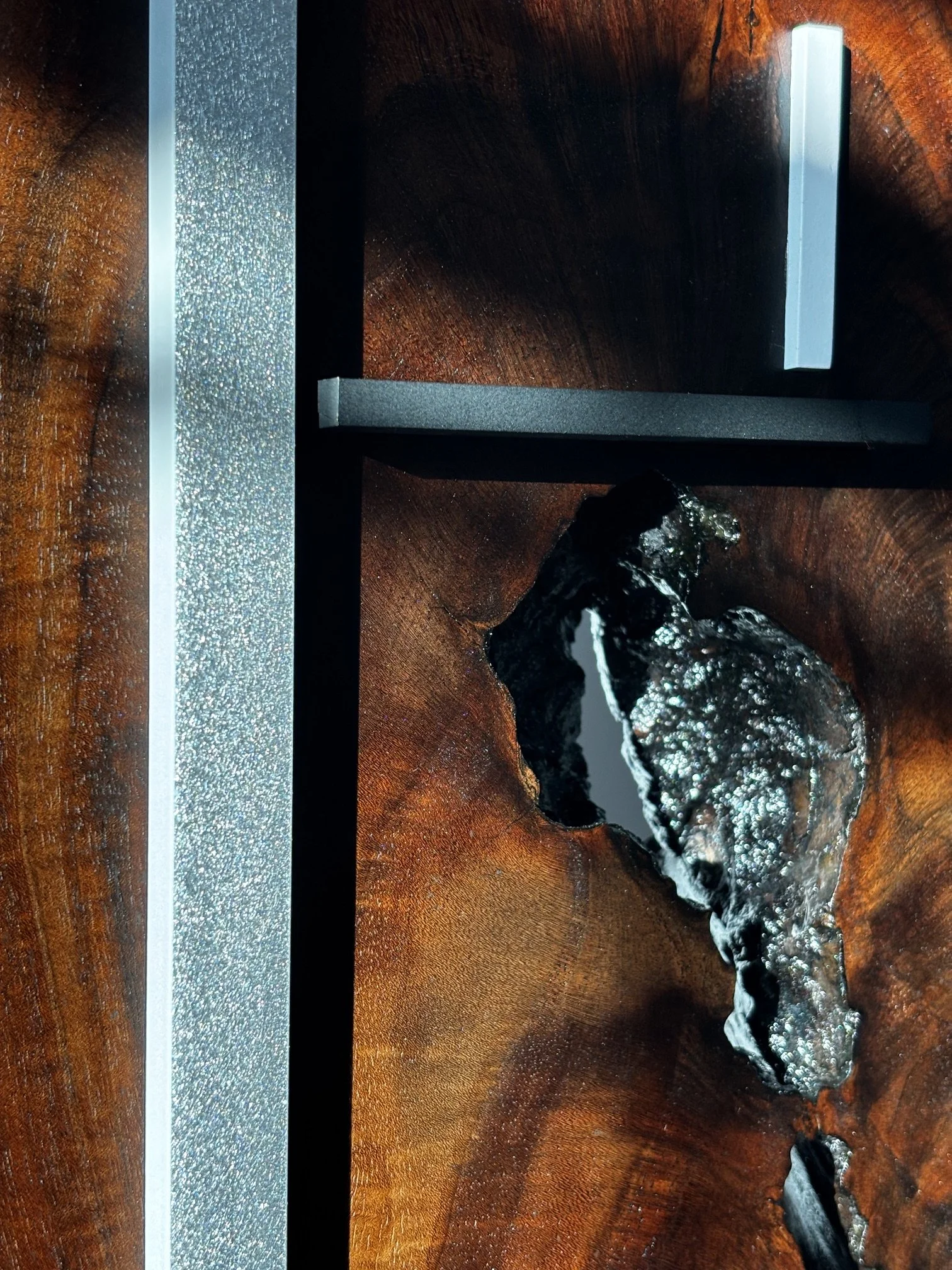 Image 6 of 6